
Categories
Buying AdvicePublished March 4, 2025
The Importance of a Home Inspection When Buying a Home

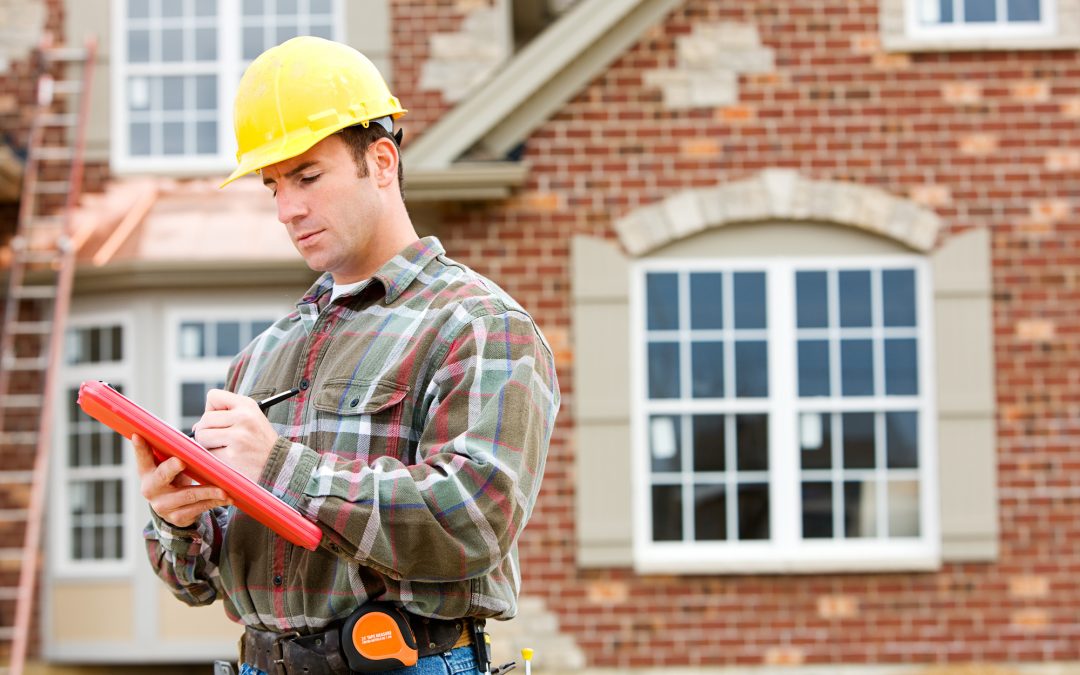
When purchasing a home, it's easy to get caught up in the excitement of finding the perfect property. However, one crucial step that should never be overlooked is the home inspection. A home inspection is a thorough evaluation of a property's condition, conducted by a professional inspector. It provides buyers with a clear understanding of any existing or potential issues, helping them make informed decisions before finalizing the purchase.
I come from a construction family, and I've walked through a lot of inspections with my buyers here in Livingston County and the Lansing area. Here's why I never want a client to skip one, plus the Michigan-specific details most generic articles leave out.
Why a Home Inspection is Essential
1. Identifying Hidden Issues
A home may look flawless on the surface, but underlying problems could be lurking. Structural issues, plumbing leaks, outdated electrical systems, or foundation concerns might not be visible during a casual walkthrough. A professional home inspection uncovers these hidden defects, allowing buyers to address them before closing.
2. Negotiation Leverage
A home inspection report can be a powerful negotiating tool. If significant repairs are needed, buyers can request that the seller make the necessary fixes or adjust the asking price accordingly. This can save buyers thousands of dollars and prevent unexpected expenses after moving in.
3. Ensuring Safety
A home inspection assesses key safety aspects, such as carbon monoxide risks, mold growth, asbestos, and faulty wiring that could pose fire hazards. Ensuring the home is safe before purchasing is crucial for the well-being of the occupants.
4. Understanding Future Maintenance Needs
Every home, whether new or old, requires maintenance. A home inspection provides insights into the expected lifespan of major components like the roof, HVAC system, water heater, and appliances. This helps buyers plan for future maintenance costs and avoid unpleasant surprises down the road.
5. Peace of Mind
Buying a home is a significant investment. Having a professional evaluate the property gives buyers confidence in their decision, reducing the risk of post-purchase regrets. Knowing exactly what they are getting into ensures a smoother homeownership experience.
What Happens During a Home Inspection?
During an inspection, the home inspector will examine various aspects of the property, including:
- Foundation, basement, and structural components
- Roof and attic
- Electrical, plumbing, and HVAC systems
- Walls, ceilings, and flooring
- Windows and doors
- Appliances and exterior components
After the inspection, the buyer will receive a detailed report outlining the findings, including recommended repairs and potential concerns.
Choosing an Inspector in Michigan
Here's something a lot of buyers don't know: Michigan doesn't license home inspectors. That means it's up to you to make sure you're hiring someone good. I'd ask any inspector:
- Are you a member of a professional association like ASHI or InterNACHI? It isn't required here, but it means they follow a standard of practice and take continuing education.
- Can I see a sample report? You want clear photos, plain-English explanations, and a summary you can actually use.
- Do you carry insurance?
- Do you have experience with this kind of home? A 1920s farmhouse outside Fowlerville, a lake house in Hartland, and a new build in Brighton all need different eyes. If the home has a well and septic, ask whether they inspect those or bring in a specialist.
Add-On Inspections Worth Considering in Livingston County
A standard inspection doesn't cover everything. Depending on the property, these are the extras I most often recommend:
- Radon. The Livingston County Health Department says a state study found elevated radon levels in about 40% of Livingston County homes. Testing is the only way to know. Michigan doesn't license radon testers either, and the state recommends using a nationally certified (NRPP or NRSB) professional.
- Well water. If the home is on a private well, have the water tested by a certified lab. Some lenders ask for one, and you'll want one either way.
- Septic. A general inspector usually isn't digging up the tank. A septic contractor can locate, pump, and evaluate the system and the drain field.
- Sewer scope. For older homes on city sewer in places like Howell or Brighton, a camera down the main line can catch roots, cracks, or collapsed pipe.
- Pole barns and outbuildings. Many inspections cover only the house unless you ask. (Here's what to check before a pole barn sells you on a house.)
- Wood-destroying insects. Some loan types can call for this inspection, and it's good to know either way.
How the Inspection Fits Your Timeline
- Write the offer with an inspection contingency. Your purchase agreement sets how many days you have to inspect and respond. It's usually a short window, so line up your inspector right away.
- Go to the inspection. You'll learn more in two hours of walking around with the inspector than from reading a 50-page report.
- Decide what matters. Not every item on the report is a big deal. Focus on safety, water, structure, and big-ticket systems. Then decide whether to ask for repairs, a credit, or a lower price. I break that down in Fix It, Credit It, or Cut the Price?
- Then comes the appraisal. The appraisal is a separate step for your lender, and it's not a second inspection.
If you're buying in winter, snow and frozen ground can hide some things. Plan for that rather than skipping steps.
Quick FAQ
Who pays for the home inspection? The buyer usually does, and it's paid directly to the inspector.
Do I need an inspection on new construction? I'd still get one. Builders are busy and subcontractors make mistakes. Some buyers also do a pre-drywall inspection while the walls are still open.
Can I inspect a house being sold as-is? Usually, yes. As-is typically means the seller won't make repairs, not that you can't inspect. Your purchase agreement spells out your rights.
Final Thoughts
Skipping a home inspection might seem like a way to save money upfront, but it can lead to costly surprises down the road. A thorough home inspection ensures buyers make informed decisions, negotiate effectively, and have peace of mind about their investment. If you're considering purchasing a home, be sure to hire a qualified home inspector to protect yourself and your investment.
If you're buying in Livingston County or the Lansing area and want help lining up the right inspections for a specific house, call or text me at 810-522-0558.
Keep Reading
- Home Inspection vs. Appraisal
- Fix It, Credit It, or Cut the Price? Negotiating After the Inspection in Livingston County
- Buying in the Snow? What a Winter Home Inspection Can (and Can't) Tell You in Livingston County
or another way