
Published November 15, 2026
That Pole Barn Sold You on the House. Here's What to Check Before You Buy It in Livingston County

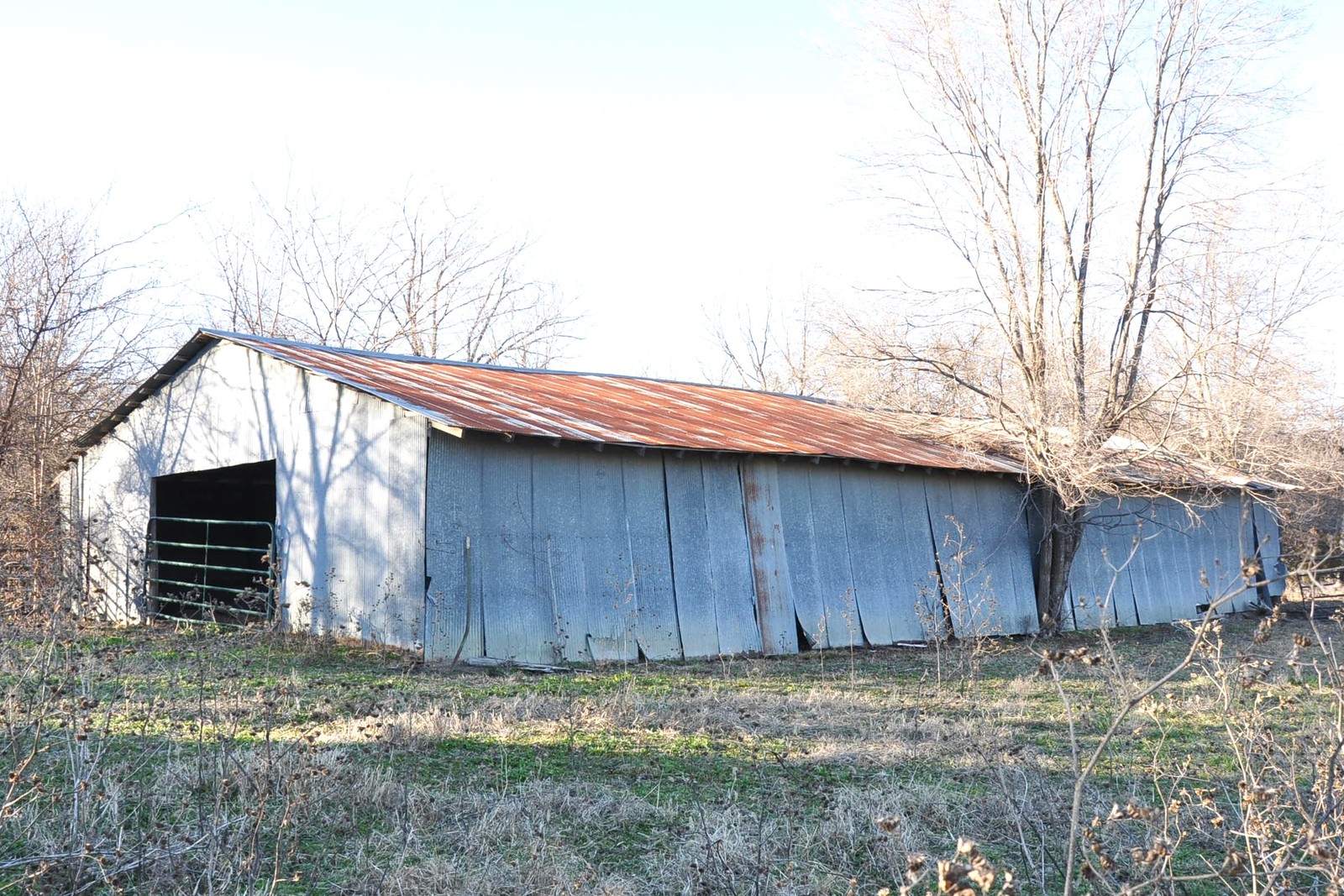
There's a line you'll hear on a lot of home shows: "Outbuildings are pure bonus value." Sometimes that's true. A solid pole barn on a few acres outside Howell or Fowlerville can be the whole reason a buyer picks one house over another. Room for the boat, the trailer, the workbench, the side business.
But I grew up around construction, and I've walked a lot of barns with buyers. The barn that looks like a bonus in the listing photos can also be the building with no permit, a cracked slab, an extension cord for power, and a roof that's one more winter from leaking. Here in Livingston County, where so many homes sit on acreage in places like Hartland, Pinckney, Fowlerville and the townships around Brighton and Howell, it's worth slowing down and looking at that barn the way you'd look at the house.
Here's what I check.
1. Was It Permitted, and for What?
This is the first question, and it matters more than most buyers think. Depending on where the property is, building permits go through the county building department or the local township, and zoning rules come from the township. Ask for the permit history, or I can help you request it.
A few things come up a lot:
- No permit at all. It doesn't automatically kill a deal, but it can mean nobody ever inspected the footings, framing or wiring. It can also turn into a headache when you go to add on, refinance, or sell.
- Built as an agricultural building. Michigan treats true farm buildings differently, so some barns were never inspected to the same standard as a garage. If you're planning to use it as a shop or hang out in it, know what you're buying.
- Living space inside. A finished "apartment" or bunk room in a barn may not be allowed as a dwelling under township zoning. Don't count on rental income from it until you've checked.
Pro Tip: If you plan to run a business out of the barn (contractor shop, small engine repair, storage), call the township zoning office before you make the offer. Home occupation rules vary a lot from one township to the next.
2. Power: Real Service or an Extension Cord?
Walk in and look at what's feeding the lights. A barn with its own panel, a buried feed from the house (or its own meter), and properly mounted outlets is a very different building than one running off a cord or a homemade overhead line.
If you need 240 volts for a welder, compressor, or EV charger, find out what's there now. Upgrading service to an outbuilding means trenching, a new panel, and an electrician. That's a real line item, not a weekend project.
Pro Tip: Ask your home inspector to look at the barn's electrical too. Some inspections focus on the house unless you ask. Make sure the outbuilding is in the scope.
3. Slab, Posts and Grading
Pole barns are simple buildings, which is what makes them great. But simple doesn't mean they can't have problems. I look for:
- Cracks and heaving in the slab. Some cracking is normal. Big settled sections, or a floor that pitches toward the wall, usually point to drainage or base issues.
- Posts at the ground line. Older barns with wood posts set in the dirt can rot right at grade. Push on the lower siding and look for soft spots or leaning walls.
- Water. Where does the roof water go? A barn sitting in a low spot will tell on itself with rust on the bottom of the steel, stains on the floor, or a wet corner.
In November you can still see a lot of this. Once there's snow on the ground and a few feet of drift against the doors, it gets harder. Another reason to look closely now.
4. Roof, Doors and Snow Load
Michigan winters are hard on outbuildings. Check the roof for loose or backed-out screws, rust, and daylight through the panels. Look up at the trusses for any that are cracked, sagging, or have been "fixed" with a scrap 2x4.
Overhead doors are expensive to replace on a big barn. Open and close every one. Check the springs, the opener, and whether the door actually seals at the bottom.
Pro Tip: If the barn has a lean-to or addition, look closely at where the new roof ties into the old one. That joint is where leaks and snow problems tend to show up first.
5. Taxes and Insurance
Two things buyers forget to budget for:
- Property taxes. Outbuildings are part of the assessed value. And remember, in Michigan your taxable value uncaps when you buy (I wrote about that here). Look at the assessor's record card to make sure the barn is even on it. An unrecorded barn can get picked up later.
- Insurance. Not every policy treats a large detached building the same way, especially if you're storing equipment, vehicles, or running a business out of it. Get your insurance quote early and tell the agent exactly what's out there. More on that in my home insurance post.
6. Price It Like a Building, Not a Bonus
A good, permitted barn with real power adds real value, and appraisers will account for it. A rough barn that needs a new roof, doors and electrical can be closer to a teardown. When we're writing an offer, I want us to be honest about which one we're looking at. If the inspection turns something up, we have options: repair, credit, or price. (I broke those down in this post.)
Selling a Home With a Barn?
Get ahead of the questions. Pull your permits, have a copy of any electrical work, and fix the easy stuff, like stripped roof screws, a door that won't close, or junk piled against the walls. Buyers who love barns look hard at them. A clean, dry, well-lit barn shows like the asset it is.
Let's Walk It Together
I come from a construction family, so I'm the guy who'll be on the barn floor looking at the posts while everyone else is in the kitchen. I'm not a builder or an inspector, and I'll always point you to the right pros. But I can help you spot the questions early, before they become expensive surprises.
If you're shopping for acreage in Livingston County or the Lansing area, or thinking about selling a home with outbuildings, give me a call or text at 810-522-0558. Happy to help.
Devin Fink | DJF Properties | Rademacher Team and Associates | KW Professionals
Photo: SharonPapierdreams, pole barn at the Barnes-Hoskinson Farmstead, Douglas County, Kansas, via Wikimedia Commons, CC BY-SA 4.0. Resized.
