
Categories
Buying Advice, Selling AdvicePublished March 10, 2026
How to Spot the Next "Hot" Neighborhood Before Everyone Else Does

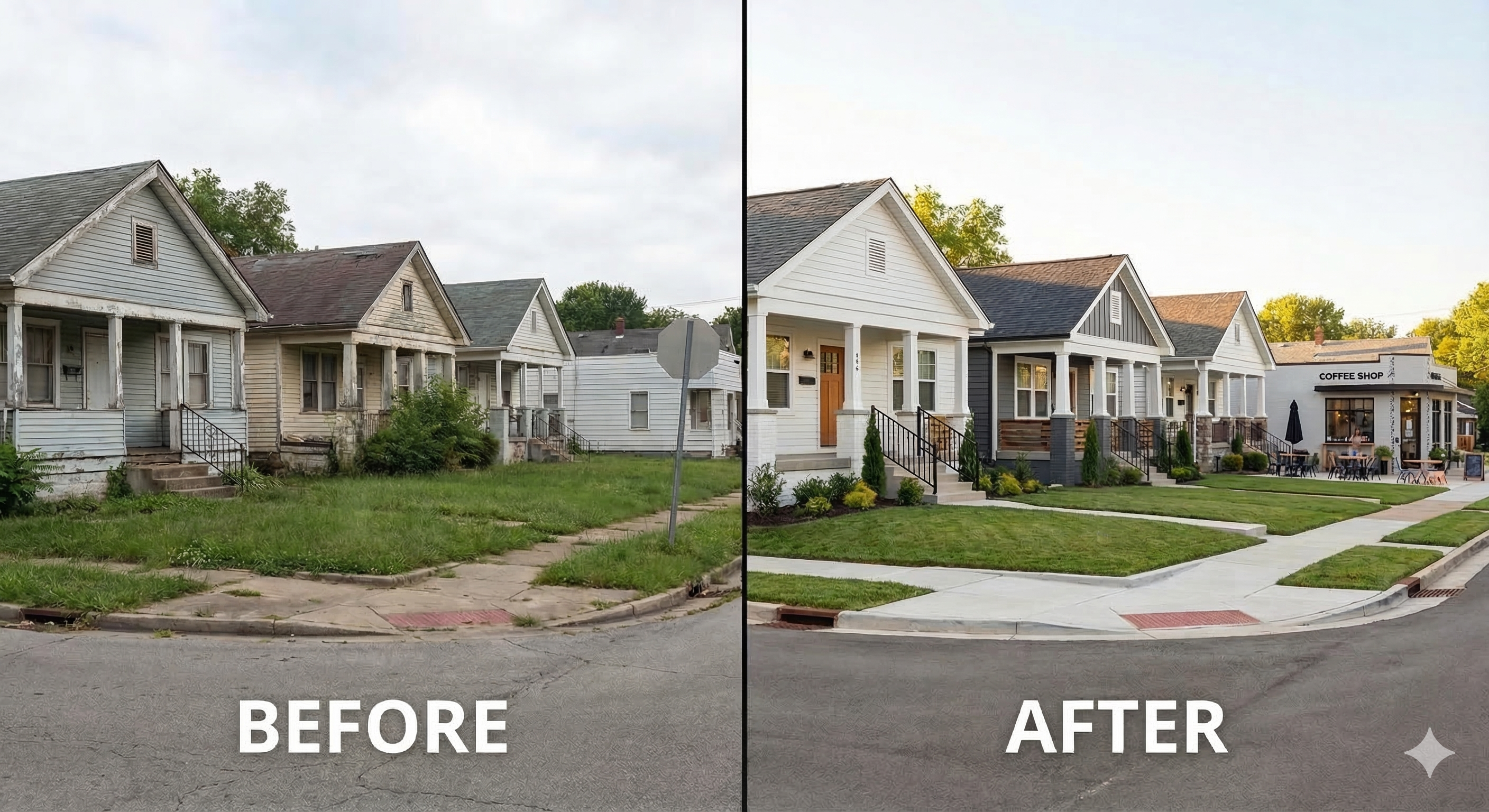
The Real Estate Crystal Ball: Spotting the Next "It" Neighborhood
Every homebuyer dreams of the same scenario: finding a hidden gem of a neighborhood that is affordable today but destined to be the "hot spot" of tomorrow. It’s the ultimate real estate win—buying low, enjoying a growing community, and watching your equity soar over the next 5-10 years.
But how do you identify these areas before the bidding wars start and prices explode?
Most people wait until they read about a "hot neighborhood" in a magazine. By then, it’s usually too late for a bargain. As a local real estate professional, I spend my days analyzing market shifts, and I’ve learned that neighborhoods don't just boom overnight. They leave clues long before the mainstream catches on.
If you are looking to maximize your investment, you need to stop looking at where everyone wants to live today, and start looking for the indicators of where they will want to live tomorrow.
Here are five signs I look for when identifying neighborhoods on the brink of an upswing.
1. The "Commercial Creeper" Effect (Commercial Investment Leads Residential)
This is often the very first sign of a turnaround. Before families rush into an older or overlooked neighborhood, brave small business owners take the leap.
Commercial leases are often long, and business owners do serious market research before opening up shop. If you see a trendy independent coffee shop, a craft brewery, an artisanal bakery, or a yoga studio opening in a slightly gritty area bordering a more expensive neighborhood, pay attention. These businesses act as anchors. They signal that someone is betting big money on the future foot traffic of the area.
Where good coffee goes, rising property values usually follow.
2. The "Dumpster Count" is Rising
This is a purely visual cue that you won’t find in an MLS database. Drive through the neighborhood on a Saturday. What do you see?
If a neighborhood is stagnating, nothing changes. But if you see construction dumpsters in driveways, stacks of new lumber in yards, and contractors' trucks parked on the street, money is pouring into the area.
When existing homeowners start spending significant money on renovations—new roofs, siding, additions—it means they feel confident enough in the neighborhood's future value to invest in their current property. This organic revitalization is a massive leading indicator of future value.
Want to know which local areas are seeing the most renovation activity? Contact me for a neighborhood consultation.
3. The "Ripple Effect" from Adjacent Hotspots
Real estate value behaves like water; it flows from high-pressure areas to lower-pressure areas.
Look at the most desirable, expensive neighborhood in your city. Now, look at the borders of that neighborhood. When the prime area becomes too expensive for the average buyer, the demand naturally spills over into the adjacent, more affordable neighborhood.
The "next town over" suddenly becomes attractive because it offers a similar commute and similar amenities at a 30% discount. Over time, that discount shrinks. Identify the expensive hubs, and then draw a one-mile radius around them to find the next opportunities.
4. Shrinking "Days on Market" (The Hidden Data)
While you are looking at prices, I am looking at velocity.
One of the subtlest signs of a heating market is not that prices are rising, but that homes are selling faster. If the average home in neighborhood 'X' used to sit for 60 days, and suddenly that average drops to 25 days, demand is rapidly outpacing supply.
Prices might not have jumped significantly yet, but this increase in market velocity guarantees that price hikes are just around the corner.
Read my latest Market Velocity Report to see which local zip codes are moving fast right now.
5. Municipal Investment in Infrastructure
This isn't sexy, but it’s incredibly profitable. Cities don't spend millions on infrastructure on a whim.
Keep an eye on city planning meetings and local news. Are they extending a public transit line to a specific area? Are they breaking ground on a major new public park, renovating the local library, or repaving all the streets and adding bike lanes?
When the city invests public tax dollars into improving an area's walkability and livability, private investment almost always follows close behind.
The Importance of Local Expertise
Spotting these trends requires more than just casual Zillow browsing. It requires being on the ground, talking to business owners, analyzing subtle shifts in data, and knowing the local landscape intimately.
Trying to time the market perfectly is impossible. But recognizing the early signs of neighborhood revitalization is very possible—and it's the key to making a smart, long-term real estate investment.
If you are looking for a home with significant appreciation potential, don't just follow the herd. Let’s use data and local insight to find your hidden gem.
Ready to start your search for high-potential properties? Reach out to me today to begin the process.


or another way