
Categories
Buying AdvicePublished March 4, 2026
Buying a Fixer-Upper in Livingston County: The Reality vs. TV

The HGTV Myth: What You Really Need to Know Before Buying a "Fixer-Upper" in Livingston County
Everyone loves a good before-and-after story. Turn on any home improvement channel, and you’ll see a dilapidated property transformed into a modern masterpiece in 30 minutes (plus commercial breaks). It makes buying a property that needs some TLC look incredibly appealing and highly profitable.
But when you are searching for homes in Livingston County—whether that's an older farmhouse in Fowlerville or a mid-century home in Brighton—the reality of renovating is a bit more complex than television makes it seem.
If you're considering buying a house that needs work, here is the unfiltered reality of what you should expect.
1. The "Bones" Matter More Than the Cabinets
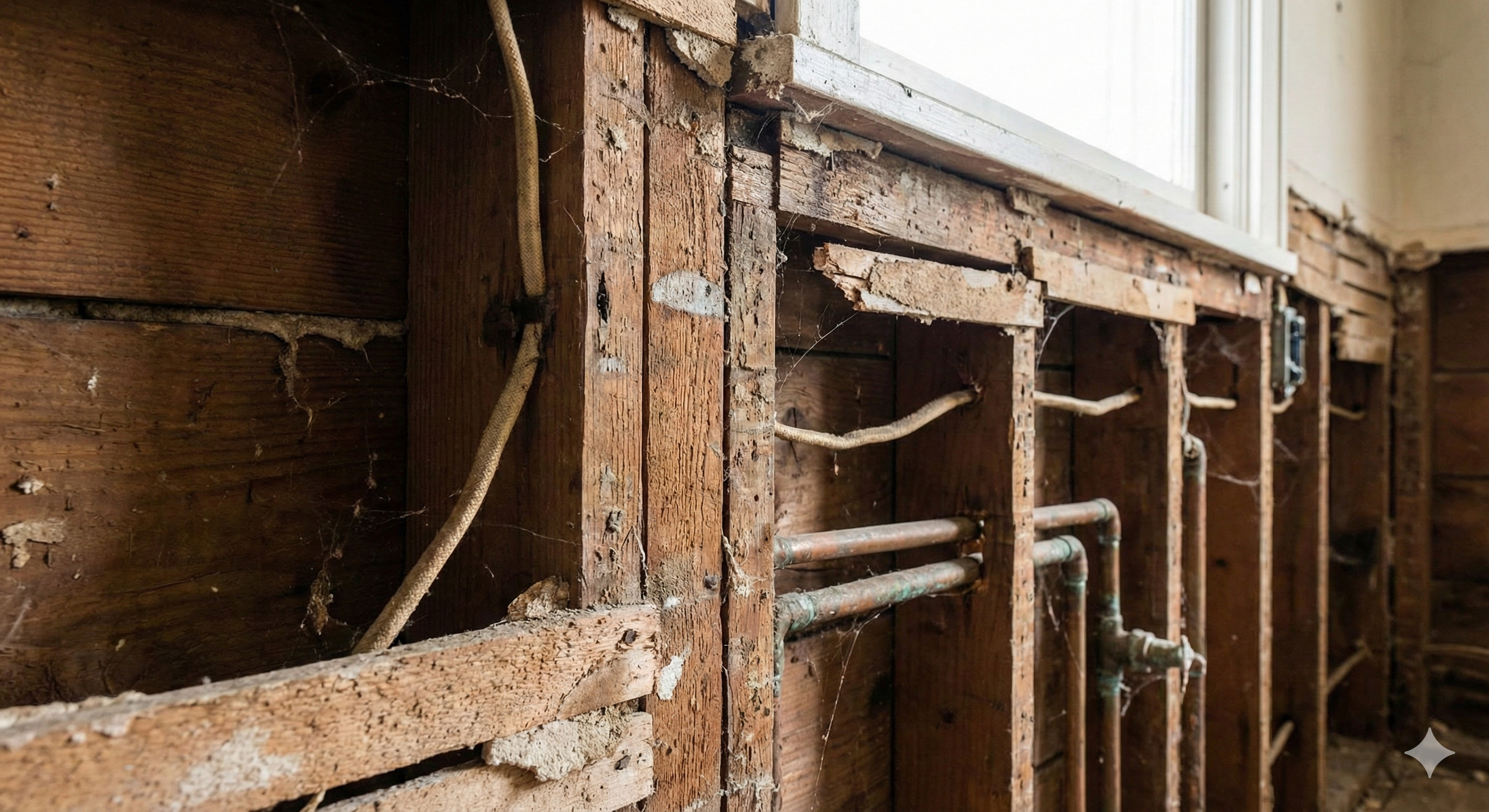
It’s incredibly easy to walk into a house and get distracted by ugly 1980s wallpaper, scuffed floors, or outdated kitchen cabinets. Cosmetic fixes are straightforward and relatively inexpensive. The real challenges hide where you can't easily see them.
Growing up in a family of contractors, I learned early on that the true value of a home lies behind the drywall. Before worrying about the cost of quartz countertops, your focus needs to be on the roof, the HVAC system, the plumbing, and the foundation. A house with great structural integrity and ugly carpet is a fantastic opportunity; a house with a fresh coat of paint masking foundation issues is a money pit.
2. Time is Money (and Stress)
TV shows compress months of grueling work into a tidy, upbeat montage. In reality, living through a renovation—or trying to manage one before you move in—is highly disruptive to your daily life.
If you are exploring the market with the intent to renovate, you need to budget for delays. Supply chain issues, contractor scheduling conflicts, and unexpected discoveries behind walls almost always extend the timeline. I am not a professional investor or flipper, but from tackling my own personal renovation projects, I can confidently say that patience is just as important as your construction budget.
3. ROI Isn't Always a Guarantee
Not every dollar you put into a house translates to a dollar of equity at the closing table. A major mistake buyers make is over-improving a property for its specific neighborhood. Adding a $100,000 luxury kitchen to a modest starter home might make you happy while you live there, but it won’t necessarily yield a high return on investment when it’s time to sell.
The key is making strategic improvements that bring the house up to the standard of the local market without wildly exceeding it. Focus on functional upgrades first—like updating electrical panels or finishing a basement to add usable square footage—before splurging on high-end cosmetic trends.
The Bottom Line on Fixer-Uppers
Buying a house that needs work can be a fantastic way to build equity and create a space perfectly customized to your tastes. You just need to walk into the process with open eyes, realistic budgets, and a focus on structural health over cosmetic flair.
If you're curious about finding a property with great potential, or want to know the current value of your home before taking on a major project, check out my Home Valuation Tool or Contact Me to start the conversation!


or another way