
Published November 17, 2026
Buying a Lot to Build On in Livingston County? Check These 6 Things Before You Sign

You've probably heard it: "Land is simple. It's just dirt. No roof, no furnace, nothing to inspect." It's a nice idea, and it's one reason a lot of buyers start looking at vacant lots when the right house isn't on the market.
Here's the truth from someone who grew up in a construction family: land can be the most complicated thing you ever buy. With a house, most of the big questions were answered when it was built. With a lot, you have to answer them, and some of the answers can't be changed with a check.
In Livingston County, where a lot of buildable land sits outside city water and sewer in places like Hartland, Pinckney, Fowlerville, and the townships around Brighton and Howell, these are the six things I want my buyers to know before they sign. Winter is actually a good time to shop land, because there's less competition, but some of these checks get harder once the ground freezes, so plan ahead.
1. Will the Ground Take a Septic System?
This is the big one. If the lot isn't on public sewer, you'll need a septic system, and that means the soil has to pass a site evaluation through the county health department. Heavy clay, a high water table, or a low, wet spot can mean a more expensive engineered system, or in some cases no approval at all.
Pro Tip: Make your offer contingent on a satisfactory soil/septic evaluation and well permit. Some evaluations need test holes dug, and frozen ground can delay that. Build enough time into your contingency period, especially if you're buying between now and spring.
2. Water: Well or Hookup?
If there's no municipal water at the road, you're drilling a well. Ask neighbors how deep their wells are and whether they've had water quality issues, and check what the health department requires for setbacks between the well, septic, and property lines. Those setbacks can eat into a smaller lot faster than you'd think.
If public water or sewer is nearby, don't assume you can just tap in. Ask the township or utility what it costs to connect. Tap fees and extending a line can be a real number. (I covered the well vs. city water question for existing homes here.)
3. Zoning, Setbacks, and What You Can Actually Build
Every township has its own zoning rules: minimum lot size, minimum house size, setbacks from the road and lot lines, height limits, and rules on outbuildings. Some subdivisions also have deed restrictions or HOA rules that are stricter than the township's.
Before you fall in love with a house plan, find out:
- What the lot is zoned for, and whether your plan fits inside the setbacks
- Whether there are deed restrictions or association rules (minimum square footage, siding materials, no pole barns, etc.)
- Whether you can have the pole barn, horses, or home business you're picturing
Pro Tip: Call the township zoning office with the parcel number before you write an offer. It's a free phone call that can save you from buying a lot you can't use the way you want.
4. Road Access and the Driveway
A lot on a nice paved road and a lot at the end of a private gravel drive are very different purchases. Ask:
- Is the road public or private? If private, is there a recorded road maintenance agreement, and who plows it?
- Will you need a driveway permit? On county roads that typically goes through the road commission; state highways go through MDOT.
- Is there enough sight distance for a driveway where you want it?
Long driveways also add cost fast. Gravel, culverts, and grading for a few hundred feet isn't a small line item.
5. Wetlands, Floodplain, and Survey
Michigan protects many wetlands, and a lot that looks dry in a dry August can look a lot different in April. If there's any chance of wetlands on the property, you want to know before you buy, not when you go for a permit. Check whether any part of the lot is in a mapped floodplain too.
And get a survey. Corners get lost, fences end up in the wrong place, and listing acreage isn't always exact. A boundary survey tells you exactly what you're buying and where you can build.
Pro Tip: Walk the land in different seasons if you can, or at least after a good rain. Standing water, cattails, and soggy low spots tell you a lot.
6. Financing Is Different for Land
A lot of buyers are surprised that land loans don't work like a regular mortgage. Lenders often want a bigger down payment on vacant land, and if you're planning to build, a construction loan has its own rules: plans, a builder, a budget, and draws as the work gets done. Some buyers pay cash for the lot and finance the build later.
Talk to a lender who does land and construction loans before you make an offer, so you know what the whole project looks like, not just the lot price.
Selling Land? Get Ahead of the Questions
If you're selling a vacant parcel, the best thing you can do is answer buyers' questions before they ask. A recent survey, any past perc or soil evaluation results, and confirmation of what utilities are at the road can make your lot stand out and shorten the "what if" period.
Let's Walk It Together
I'm not a builder or an engineer, and I'll always point you to the right pros. But I grew up around job sites, and I know which questions to ask before the excavator ever shows up. If you're thinking about buying land to build on in Livingston County or the Lansing area, or selling a parcel you own, give me a call or text at 810-522-0558. Happy to walk it with you.
Devin Fink | DJF Properties | Rademacher Team and Associates | KW Professionals
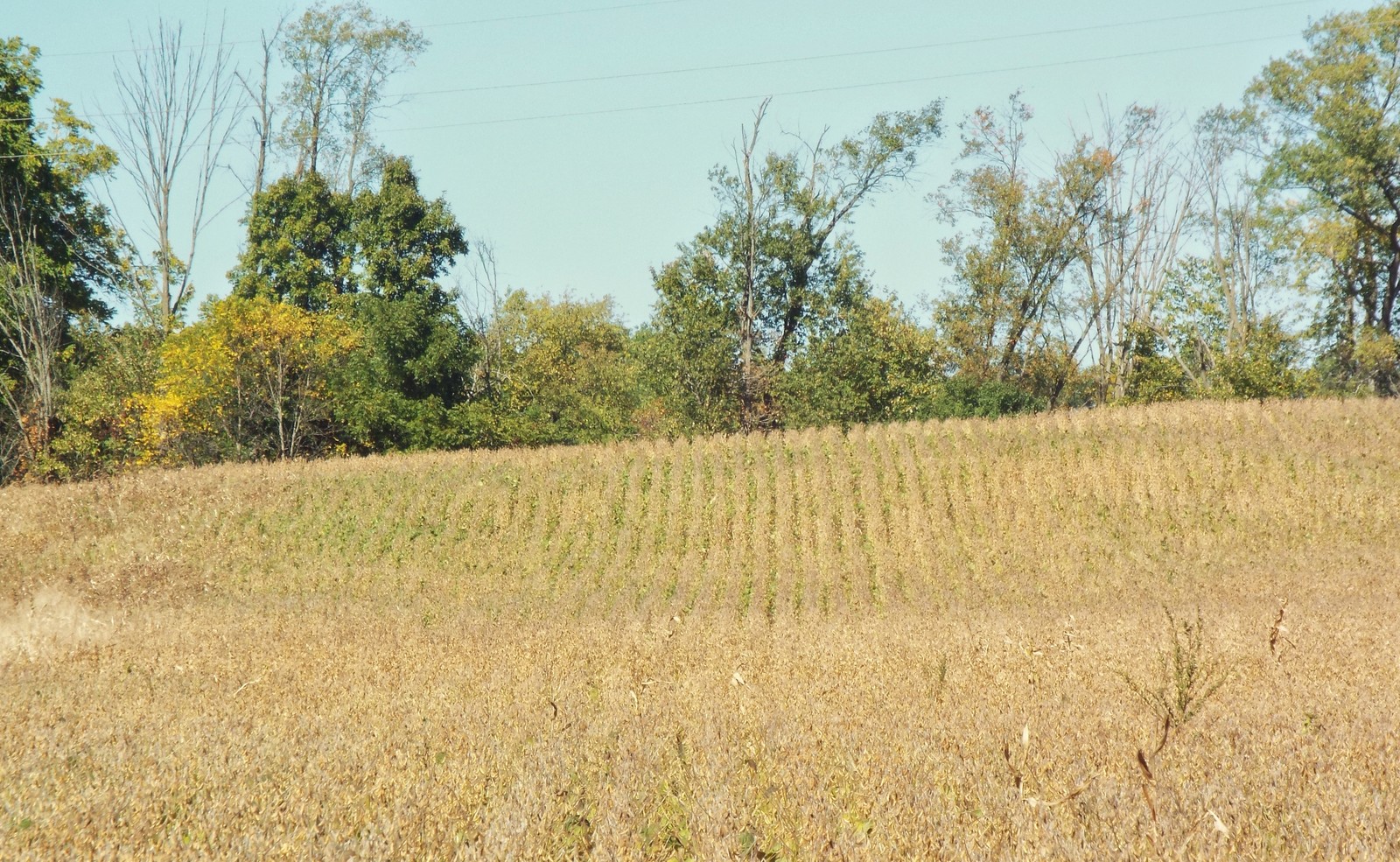
Photo: David Whelan, autumn field in Michigan, via Wikimedia Commons, CC0. Resized.
